Burnham: "Public Will Decide" on Closer EU Ties
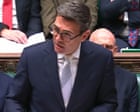
PM Emphasizes Democratic Process for EU Relations
The Prime Minister has reassured Members of Parliament that citizens will have the final say in any potential deepening of the United Kingdom's relationship with the European Union. This statement comes as the government prepares to navigate complex decisions regarding UK-EU ties, with the next EU relationship decision expected to be determined by public input rather than legislative mandate alone.
Burnham made clear during parliamentary proceedings that the democratic process will be central to any future policy on closer EU collaboration. The emphasis on public participation reflects the government's commitment to ensuring that significant constitutional and political matters receive proper scrutiny and approval from the electorate.
EU Summit Scheduled for November
The Prime Minister confirmed to MPs that the next summit between the United Kingdom and the European Union will take place on 20 November. This timing suggests active engagement with EU leadership to discuss potential frameworks for enhanced cooperation and partnership arrangements.
The upcoming summit represents a critical juncture for discussions on economic integration, regulatory alignment, and bilateral cooperation between London and Brussels. These conversations are expected to lay groundwork for any future policy developments that may subsequently require public consultation.
Reform UK Raises Healthcare Crisis Concerns
During the same parliamentary session, Zia Yusuf, Reform UK's home affairs spokesperson, highlighted what he described as a catastrophic healthcare emergency affecting British citizens. He referenced a tragic case of a 73-year-old woman in North Wales who died after waiting 23 hours for an ambulance service.
Yusuf presented statistics from the Royal College of Emergency Medicine, citing estimates that approximately 15,000 people across Britain died in the previous year due to excessive wait times for emergency medical treatment. He emphasized that this represents roughly 300 lives lost weekly, with each death devastating individual families and communities.
Health Service Under Strain
The Reform UK spokesperson stressed that mortality rates connected to emergency care delays have surged dramatically over the past decade, increasing roughly tenfold. He characterized this trajectory as a moral crisis that demands urgent government intervention and policy reform.
Yusuf attributed responsibility for the healthcare system's deterioration to successive administrations from both Conservative and Labour parties. His remarks suggested that these longstanding challenges may carry particular resonance in constituencies that have historically been Labour strongholds, often referred to as the "red wall" regions.
Connecting Policy Challenges Across Sectors
The backdrop of healthcare system failures appeared to inform broader discussions during parliamentary debates. While Yusuf's speech centered on emergency medical services, his contribution reflected growing concerns about multiple policy areas affecting ordinary citizens.
The intersection of healthcare crises, immigration policy, and economic relationships with Europe reveals how interconnected governance challenges have become for the UK government. These discussions demonstrate that decisions regarding EU relationship decision matters extend beyond purely trade or regulatory considerations into fundamental questions about public service delivery and resource allocation.
Public Mandate for Future Decisions
Burnham's commitment to allowing the public to determine the UK's EU relationship decision represents a significant policy position. This approach acknowledges that fundamental decisions about Britain's relationship with continental Europe require democratic legitimacy and popular consent.
The government's emphasis on public consultation and democratic process suggests that any movement toward closer EU ties will involve referendums, parliamentary votes, or other mechanisms designed to ensure genuine public participation. This stands in contrast to previous approaches where such significant decisions occurred with varying degrees of public input.
As Parliament continues to deliberate these matters and the November EU summit approaches, the balance between executive decision-making and public democratic input will remain central to how Britain's relationship with Europe evolves in coming months.