Downing Street Rebukes Trump Official Over NATO Soldier Claims
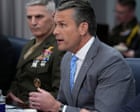
Downing Street Delivers Rare Rebuke to Trump Administration Official
In an unprecedented move, Downing Street has issued a formal rebuttal against claims made by a senior member of Donald Trump's administration regarding NATO soldier participation. The NATO soldier claims have become a focal point in ongoing diplomatic discussions between the United States and its European allies, particularly surrounding historical military contributions in Afghanistan.
The confrontation stems from statements made by a prominent Trump administration official who allegedly misrepresented the involvement of non-US NATO soldiers in combat operations throughout the Afghan conflict. This rare public disagreement highlights growing tensions between the current American leadership and traditional transatlantic partnerships.
Context of the NATO Afghanistan Deployment
The NATO soldier participation in Afghanistan represents one of the most significant multilateral military operations in modern history. For nearly two decades, NATO forces from dozens of countries coordinated extensive military campaigns across Afghanistan, with soldiers from member nations playing crucial roles in combat, training, and infrastructure development.
The NATO Afghanistan deployment involved substantial commitments from allied nations, including the United Kingdom, Germany, France, Canada, and numerous other member states. These international forces worked alongside American troops to achieve strategic objectives in the region, often facing similar operational challenges and security threats.
Disputed Claims About NATO Soldier Involvement
The official in question reportedly stated that the majority of non-US NATO soldiers did not engage in active combat roles during the Afghan operations. This characterization has been firmly rejected by officials in London and other NATO member states, who argue it fundamentally misrepresents the historical record.
Downing Street's response underscores the political sensitivity surrounding this issue. British officials have emphasized that UK forces and soldiers from other NATO allies undertook extensive combat operations, suffered significant casualties, and made vital contributions to the broader mission objectives. The NATO soldier claims appear designed to minimize international contributions while elevating American military efforts.
Government Response and Political Implications
The rebuke from Downing Street represents a notable escalation in rhetoric between the UK government and the Trump administration. Government spokespersons have publicly contradicted the narrative, pointing to extensive historical records, casualty figures, and operational documentation that demonstrate the active combat roles undertaken by NATO soldiers from multiple nations.
This diplomatic exchange reflects deeper concerns among European leaders about the future of NATO relationships under Trump's leadership. The NATO soldier controversy touches on fundamental questions about alliance burden-sharing, military commitment levels, and the recognition of allied contributions to shared security objectives.
Historical Military Record in Afghanistan
The historical record clearly demonstrates that NATO soldiers from numerous countries engaged in sustained combat operations throughout the Afghan conflict. British forces, for instance, deployed extensive contingents across multiple provinces, particularly in Helmand Province, where they conducted major offensive operations and counterinsurgency campaigns.
German, Canadian, French, and other allied nations similarly deployed combat-focused military units that engaged directly with insurgent forces. The NATO soldier participation resulted in thousands of casualties among allied forces, with each nation bearing significant losses in pursuit of collective security objectives.
Broader Political Context
The dispute surrounding NATO soldier claims occurs within a broader context of American re-evaluation of international commitments. Trump's approach to NATO has historically emphasized reducing American military presence in Europe and questioning the cost-benefit calculations of traditional alliances.
This latest controversy adds another layer to ongoing discussions about NATO's future structure, funding mechanisms, and operational priorities. The NATO soldier claims controversy demonstrates how historical interpretations of past military operations can become politicized when they intersect with contemporary policy debates.
Conclusion
Downing Street's rare public rebuke to the Trump administration official signals that UK and European leaders will actively defend their historical military records and challenge narratives that minimize allied contributions. The NATO soldier controversy underscores the importance of accurate historical accounting in contemporary diplomatic relations and highlights the potential for misunderstandings to damage long-standing alliances.