Funeral Home Director Sentenced to 20 Years for Failing to Bury and Cremate Bodies
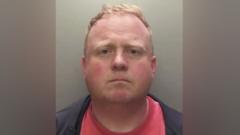
Funeral Director Faces Two Decades in Prison for Massive Service Fraud
A funeral director has been sentenced to 20 years in prison following a shocking investigation that revealed systematic failures in basic funeral services. The case of the funeral director's misconduct has sent shockwaves through the death care industry, exposing how families were denied essential burial and cremation services while being deceived about their loved ones' remains.
Details of the Criminal Conspiracy
The convicted funeral director, Robert Bush, operated his funeral home with a complete disregard for proper procedures and legal obligations. Rather than fulfilling his responsibilities to bereaved families, Bush failed to provide the core services families paid for, including proper burial arrangements and legitimate cremation procedures.
Failure to Bury Deceased Individuals
One of the most egregious violations involved Bush's failure to actually bury bodies that families had entrusted to his care. Families made arrangements and paid substantial sums, believing their deceased relatives would receive dignified burials. Instead, Bush neglected these fundamental obligations, leaving grieving relatives unaware that their loved ones had not been properly interred.
Cremation Services Not Performed
Similarly, Bush failed to cremate individuals as requested by families. This represented a complete breach of trust, as cremation is a solemn and important service that families specifically select and compensate the funeral home to perform. The failure to execute these services meant families were robbed of closure and proper memorial opportunities.
The Ashes Substitution Scandal
Perhaps most disturbing, Bush distributed ashes to bereaved families that did not belong to their deceased loved ones. Instead of returning the cremated remains of family members, Bush gave grieving relatives the ashes of complete strangers. This cruel deception compounded the emotional trauma families suffered, as they unknowingly kept the remains of unrelated individuals while their actual family members' ashes went unaccounted for.
The systematic nature of this fraud suggests a prolonged pattern of criminal negligence and intentional deception. Multiple families were affected, each believing they were honoring their deceased properly when, in reality, they were being victimized by fraud.
Legal Consequences and Sentencing
The 20-year prison sentence reflects the severity of Bush's crimes and the profound betrayal of public trust. Prosecutors successfully demonstrated that this was not a case of isolated mistakes or administrative errors, but rather a calculated scheme that exploited vulnerable families during their most difficult moments.
The verdict sends a clear message that funeral home operators cannot exploit grieving families without facing serious legal repercussions. The sentencing acknowledges the emotional and spiritual harm caused to numerous bereaved relatives who entrusted their most precious responsibility to a criminal operator.
Impact on the Funeral Industry
This case has raised serious questions about oversight and regulation within the funeral services industry. Families rely on funeral directors to handle their loved ones with dignity and respect, making proper licensing, background checks, and regular inspections essential safeguards.
The investigation that led to Bush's conviction may prompt regulators to implement stricter monitoring procedures and more rigorous accountability measures across funeral homes. Industry standards must ensure that such egregious violations are detected and prevented before families are harmed.
Support for Affected Families
The conviction provides some measure of justice for the families deceived by this funeral director. However, the emotional and spiritual damage caused by the fraud cannot be easily remedied. Support resources and potential restitution may help families begin to heal from the betrayal they experienced during their grief.
This high-profile case serves as a reminder of the importance of choosing reputable, properly licensed funeral homes and verifying that services have been completed as promised.


