Hamas Disarmament Plan Offers Gaza Hope Despite Major Political Hurdles
Hamas Disarmament Plan: A Complex Path Forward for Gaza
A Hamas disarmament plan for Gaza represents one of the most ambitious peace initiatives in recent regional history, yet this Hamas disarmament plan faces unprecedented complexity due to interconnected political, military, and humanitarian challenges. While the proposal offers a glimmer of hope for stability and reconstruction in the war-torn territory, multiple obstacles threaten to derail negotiations and implementation of any potential agreement.
The Political Landscape: Understanding the Complexity
The geopolitical environment surrounding Gaza's future remains extraordinarily intricate. The involvement of multiple international actors, regional powers, and local stakeholders creates a situation where consensus is remarkably difficult to achieve. Each party brings competing interests, historical grievances, and strategic objectives to the negotiation table.
The political reality demands careful consideration of how an agreement would be structured, monitored, and enforced. Establishing mutual trust between former adversaries requires transparent mechanisms and international oversight, yet such arrangements often conflict with the sovereignty concerns of all parties involved. The need to balance security requirements with political legitimacy adds another layer of difficulty to discussions.
The Human Cost: Thousands Lost and Infrastructure Destroyed
Gaza has experienced devastating losses that continue to shape current negotiations. Thousands of civilian and combatant deaths have created a population deeply traumatized by conflict. These losses generate emotional obstacles to peace that extend beyond diplomatic conversations.
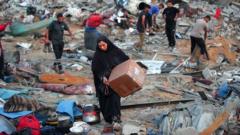
The physical destruction compounds these challenges. Critical infrastructure including hospitals, schools, water systems, and residential areas requires reconstruction estimated to cost billions of dollars. Any disarmament agreement must simultaneously address these humanitarian needs while establishing security frameworks acceptable to all parties.
Zero Trust Environment: The Security Challenge
Perhaps the most formidable obstacle to successful implementation involves the pervasive lack of trust among parties. Years of conflict, broken agreements, and military operations have created an environment where verification and enforcement become paramount concerns.
For a Hamas disarmament plan to succeed, robust international monitoring mechanisms must be established. These systems would need to verify weapon destruction, prevent smuggling, and maintain oversight indefinitely. However, such intrusive verification measures often face resistance from parties concerned about sovereignty and potential future vulnerability.
Verification Mechanisms Required
Effective verification demands international presence, technological monitoring systems, and established protocols for inspections. The international community must commit resources and personnel to ensure compliance with any agreement. This requirement creates financial and logistical burdens that complicate acceptance.
Furthermore, parties must accept that verification cannot provide absolute certainty. Some clandestine weapons may evade detection, creating residual security concerns that complicate the confidence-building process. Managing these expectations represents a crucial diplomatic challenge.
Military and Strategic Considerations
From a military perspective, disarmament creates transitional vulnerabilities. Groups relinquishing weapons face temporary security exposure before alternative protection mechanisms become operational. This interim period demands robust security guarantees from international or regional powers willing to provide military protection.
The question of what replaces Hamas's military capabilities remains contentious. Will Gaza establish a local security force? Will international peacekeepers provide protection? What prevents rival groups from exploiting the disarmament period to consolidate power? These strategic questions require resolution before any agreement becomes implementable.
The Role of International Community and Regional Powers
Successful implementation of a Hamas disarmament plan depends heavily on international commitment and regional cooperation. Multiple nations possess influence over various parties and can facilitate or obstruct negotiations. Coordinating these actors requires skillful diplomacy and genuine commitment to Gaza's stabilization.
Regional powers face incentives to both support and undermine agreements based on their broader strategic interests. Managing these competing motivations represents a central challenge in moving toward any resolution.
Pathways to Hope and Reconstruction
Despite formidable obstacles, significant reasons for cautious optimism exist. A successful Hamas disarmament plan would enable Gaza's reconstruction, allowing resources currently devoted to weapons procurement to support education, healthcare, and economic development instead.
International investment in reconstruction could transform Gaza's trajectory. Economic opportunities, educational access, and improved living standards might reduce appeal of militant ideologies and create conditions for sustained peace. Such positive developments require that disarmament open pathways to genuine development rather than perpetuating blockades or restrictions.
Moving Forward: Requirements for Success
Success demands incremental confidence-building measures preceding full disarmament. Partial agreements addressing specific weapons categories could establish precedents for compliance and build mutual trust gradually. International mediators must help parties identify mutually acceptable compromises on contentious issues.
Political leadership from all parties must demonstrate genuine commitment to peace, sometimes contradicting pressure from constituencies opposed to agreements. Such leadership requires courage and vision to move beyond historical grievances toward shared future interests.
The Hamas disarmament plan ultimately represents an opportunity to break cycles of violence and destruction. While the path forward remains challenging and uncertain, the potential benefits for Gaza's civilian population justify sustained diplomatic effort. Building this agreement will require patience, international support, security guarantees, and genuine commitment to regional peace from all stakeholders involved in Gaza's future.


