Michael B Jordan vs Tom Cruise: Magazine Covers Reveal Modern Masculinity
Celebrity Magazine Covers and the Evolution of Masculinity
The recent appearance of Hollywood's biggest action stars on prestigious magazine covers has ignited important conversations about magazine covers masculinity in contemporary popular culture. Tom Cruise and Michael B Jordan, both renowned for their blockbuster performances and impressive action sequences, have become unexpected focal points in discussions about how modern society defines and portrays manhood through visual media.
These simultaneous magazine features arrive at a particularly significant moment when discussions surrounding gender roles, masculinity ideals, and male representation have become central to mainstream discourse. Publications like GQ and Vogue continue to shape cultural perceptions about what it means to be masculine in today's world, making their editorial choices worth examining.
Tom Cruise's GQ Cover: A Retrospective Statement
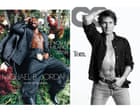
Tom Cruise's appearance on the cover of GQ marks a landmark moment in his relationship with the publication. At 64 years old, the legendary actor graces what represents his first GQ cover in two decades. This particular photoshoot captures Cruise in a deliberately composed aesthetic—partially unbuttoned shirt revealing his physique, one hand playfully running through carefully tousled hair while the other confidently grips his belt buckle. The styling choices communicate a specific narrative about masculinity, one that balances confidence with vulnerability, strength with approachability.
The timing of Cruise's return to GQ's cover is particularly noteworthy. After two decades, his reappearance suggests that traditional models of masculinity, embodied by the action-hero archetype he has long represented, remain culturally relevant and commercially significant. His positioning and styling suggest an evolution in how even established masculine icons adapt to contemporary aesthetics and audience expectations.
Michael B Jordan's Vogue Appearance: Breaking Boundaries
Michael B Jordan's feature in Vogue represents another fascinating entry point in these conversations about masculinity and media representation. The pairing of this rising powerhouse with a magazine historically centered on fashion and lifestyle—rather than traditionally masculine pursuits—demonstrates shifting boundaries in celebrity journalism and image management.
Jordan's inclusion in such publications reflects broader cultural movements toward inclusivity and the diversification of masculine representation. His presence challenges conventional gatekeeping around which types of masculine figures appear in which publications, effectively broadening conversations about how different expressions of manhood are validated and celebrated through media platforms.
What Magazine Covers Reveal About Modern Manhood
The prominence of these two actors on major magazine covers simultaneously signals important transformations in how contemporary culture conceptualizes masculinity. Magazine covers serve as cultural barometers, reflecting and reinforcing societal values about gender, attractiveness, power, and desirability. When publications like GQ and Vogue feature major male celebrities, editorial teams make deliberate choices about what version of manhood they wish to promote to their readerships.
The styling, positioning, and narratives surrounding these cover features communicate subtle but significant messages about acceptable male presentation. The unbuttoned shirt, the carefully styled hair, the confident poses—these visual elements construct specific masculine archetypes that resonate differently across demographic groups and cultural contexts.
Masculinity in the Headline Cycle
These magazine covers arrive amid a broader cultural moment when discussions of masculinity have intensified across media platforms. News cycles regularly feature stories examining toxic masculinity, evolving male identity, changing workplace dynamics, and generational shifts in how men understand their roles in society. Magazine covers like those featuring Cruise and Jordan participate in and reflect these larger conversations.
Both actors, through their professional work and public personas, have influenced contemporary understandings of what masculine performance looks like in action cinema and popular entertainment. Their magazine presence extends these cultural conversations beyond film industry analysis into broader discussions about gender representation, media imagery, and the power of celebrity to shape social perception.
The Enduring Power of Celebrity Magazine Features
In an age of digital media fragmentation, magazine covers maintain surprising cultural relevance. Physical magazines remain important vehicles for celebrity image cultivation, editorial storytelling, and cultural commentary. These cover features represent carefully orchestrated collaborations between celebrities, publications, photographers, stylists, and editorial teams—each party bringing distinct interests and perspectives to the final product.
For actors like Cruise and Jordan, magazine covers offer opportunities to control their public narratives, present curated versions of themselves, and participate in broader cultural conversations. The images selected for publication become reference points that audiences reference when understanding celebrity personas and, by extension, the masculine ideals those celebrities represent.
Conclusion: Media, Masculinity, and Cultural Meaning
The simultaneous appearance of Tom Cruise and Michael B Jordan on major magazine covers reminds audiences of the persistent cultural power held by celebrity imagery and publication platforms. Magazine covers masculinity representation continues evolving, reflecting changing social attitudes while simultaneously shaping future cultural perceptions. These features represent more than simple promotional exercises—they constitute meaningful cultural texts worth examining for what they reveal about contemporary masculinity, media representation, and the ongoing negotiation of gender identity in popular culture.