Singapore Threatens Prosecution Over Indonesia Wildfire Haze Crisis
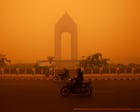
Regional Air Quality Emergency Escalates
The Indonesia wildfire haze has become a critical regional crisis affecting millions across Southeast Asia. Singapore's Prime Minister Lawrence Wong has announced his government is considering legal prosecution against companies responsible for some of the most severe fires documented in recent years, marking a significant escalation in diplomatic tensions over air quality and environmental responsibility.
The persistent and acrid smoke blanketing the region has triggered widespread health concerns, school closures, and economic disruptions. As communities struggle with declining air quality indices, neighboring nations are increasingly vocal about their frustration with Indonesia's inability to control the wildfires, particularly those suspected to be deliberately set for agricultural land clearing purposes.
Government Response and Public Health Measures
Singapore's government has mobilized comprehensive measures to protect its population from the harmful effects of the Indonesia wildfire haze. Distribution of protective masks to vulnerable citizens, including the elderly and those with pre-existing respiratory conditions, represents a primary defensive strategy. Lawrence Wong emphasized that authorities are simultaneously coordinating with regional partners to address the transboundary smoke challenge collectively.
Health authorities across affected nations report surging cases of respiratory illnesses, with hospitals experiencing increased patient admissions. Doctors warn that prolonged exposure to hazardous particulate matter can exacerbate asthma, bronchitis, and other lung conditions. Vulnerable populations face particular risks, prompting governments to issue air quality alerts and recommend indoor activities during peak pollution hours.
International Legal and Diplomatic Implications
The threat of prosecution marks a notable shift in how neighboring countries approach the recurring Indonesia wildfire haze problem. Wong's statement about exploring "joint action with other countries" suggests a coordinated regional response is being developed. International legal frameworks governing transboundary pollution may enable Singapore and other affected nations to hold corporate entities accountable for environmental damage and health impacts.
This diplomatic tension highlights longstanding frustrations over Indonesia's forest management policies and enforcement of regulations prohibiting slash-and-burn agricultural practices. Multiple regional governments have previously expressed concerns about inadequate prevention measures and delayed response protocols when fires emerge during dry seasons.
Economic and Social Disruptions
Schools across the region have implemented closures to protect children from hazardous air conditions, disrupting educational schedules and family routines. Businesses report reduced productivity as workers experience health complications and visibility issues affect transportation networks. The tourism sector faces potential revenue losses as air quality concerns deter international visitors.
Environmental experts emphasize that addressing the Indonesia wildfire haze requires comprehensive long-term solutions beyond emergency responses. Sustainable land management practices, stricter enforcement of environmental regulations, and investment in fire prevention infrastructure are essential for preventing future crises. Regional cooperation agreements should establish clear accountability mechanisms and standardized protocols for managing cross-border environmental emergencies.
Regional Solidarity and Future Negotiations
Malaysia, Thailand, and other Southeast Asian nations are also experiencing air quality deterioration from the Indonesia wildfire haze, strengthening the case for coordinated international action. The Association of Southeast Asian Nations (ASEAN) may need to strengthen existing environmental agreements and establish binding commitments for fire prevention and management.
Wong's proactive stance reflects growing public and political pressure to address recurring air pollution episodes that have affected regional stability for decades. Citizens across affected countries increasingly demand tangible results and corporate accountability rather than accepting seasonal haze as an unavoidable phenomenon. The prosecution threat signals that diplomatic and legal channels will be pursued if voluntary compliance and preventative measures prove insufficient.
Conclusion
The escalating crisis surrounding the Indonesia wildfire haze demonstrates how environmental challenges transcend national boundaries and require sophisticated international responses. Singapore's willingness to pursue legal action against responsible companies represents a watershed moment in regional environmental governance. As communities continue experiencing health impacts and economic losses, the demand for accountability and sustainable solutions will only intensify, potentially reshaping how nations address transboundary pollution in the future.