Tory Shadow Minister Claims Luton Has Dangerous No-Go Zones
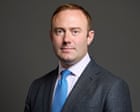
Conservative Front-Bencher Makes Controversial Claims About Luton
A prominent Tory shadow minister has ignited debate by asserting that no-go zones exist in Luton, areas where certain demographics reportedly avoid traveling. Blake Stephenson, the newly appointed Conservative frontbench representative for Mid Bedfordshire, made these contentious statements during a fringe event at the annual Tory conference, describing no-go zones as a significant concern within the town.
The shadow minister characterized Luton as "a very dangerous place" during his remarks at the conference meeting. His comments specifically referenced conditions he believes create isolated communities within the urban area, painting a picture of a town struggling with serious social challenges.
Blake Stephenson's Position and Recent Appointment
Blake Stephenson currently serves as MP for Mid Bedfordshire and was elevated to his shadow ministerial position just fourteen days before making these public statements. His appointment to the Conservative frontbench demonstrates the party's interest in addressing what they perceive as critical domestic security issues affecting English towns.
The timing of Stephenson's remarks, delivered at a fringe conference meeting rather than during official parliamentary proceedings, has drawn additional scrutiny. Such sideline events at major political conferences often provide platforms for members to express more candid perspectives on contentious topics than might appear in mainstream debate.
Allegations of Segregation and Community Division
According to Stephenson's account, portions of Luton residents live in what he characterized as "ghettoes." This terminology suggests he believes certain neighborhoods suffer from self-imposed or circumstance-driven segregation, with limited integration between different population groups within the town's geographical boundaries.
The shadow minister's use of this language reflects broader political discourse around community cohesion and integration in modern British cities. His comments specifically targeted what he perceived as areas where particular ethnic or religious communities concentrate, suggesting inadequate social mixing between different segments of Luton's population.
Context and Political Implications
These statements emerge within a larger conversation about crime, safety, and social integration across British municipalities. Conservative politicians have frequently raised concerns about urban areas they characterize as experiencing higher crime rates or community fragmentation, positioning such observations as evidence supporting their policy platforms.
The no-go zones concept has become increasingly prominent in political rhetoric, with various commentators and politicians debating whether such areas genuinely exist or whether the terminology represents exaggeration of localized crime problems. Law enforcement agencies and local authorities have typically resisted the no-go zones description, arguing that police presence exists throughout all neighborhoods, though response times or enforcement emphasis may vary.
Public Response and Controversy
Stephenson's remarks have contributed to ongoing political divisions regarding how politicians discuss urban challenges and community relations. Critics argue that characterizing any area as a no-go zone oversimplifies complex social issues and may reinforce harmful stereotypes about specific communities or neighborhoods.
Supporters of Stephenson's position contend that frankly addressing genuine safety concerns represents an important political function, regardless of the controversial language employed. They argue that such statements, while provocative, highlight real issues requiring policy attention and public discussion.
Broader Questions About Urban Britain
The controversy surrounding Stephenson's no-go zones claims reflects deeper questions about contemporary British society, community integration, and the relationship between politicians and constituents. How towns like Luton address reported safety concerns while maintaining social cohesion remains a significant challenge for local and national policymakers.
The incident demonstrates the continued sensitivity surrounding discussions of race, religion, and community in modern British politics, where terminology and framing significantly influence public perception and political debate. Whether such statements advance constructive dialogue or inflame existing tensions remains contested among political analysts and community leaders.