Trident Nuclear Submarine Renewal Key to UK Reindustrialization Strategy
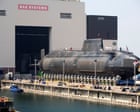
Trident Renewal Becomes Core Element of Defence Investment Strategy
The UK government is placing Trident renewal at the forefront of its national defence and economic agenda, with significant emphasis placed on how military infrastructure projects serve as catalysts for community regeneration. The Dreadnought-class submarine programme, representing a substantial £31 billion investment, exemplifies the government's commitment to merging defence capabilities with industrial revival across the nation.
During a strategic visit to Barrow-in-Furness in Cumbria, political leadership has demonstrated the critical importance of Trident renewal in shaping the country's defence posture and economic future. The Dreadnought-class submarines being constructed in this historically significant shipbuilding hub represent more than military hardware; they symbolize sustained investment in British manufacturing and skilled employment.
Government Vision for Defence-Led Industrial Regeneration
The current administration views the nuclear submarine replacement programme as a tangible demonstration of how defence procurement can catalyze broader economic benefits. By investing in cutting-edge naval capabilities through the Trident renewal initiative, the government aims to showcase how taxpayer funds directly contribute to employment, skills development, and community prosperity.
The Barrow-in-Furness facility has long served as a cornerstone of British naval engineering expertise. This latest phase of the submarine programme reinforces the strategic value of maintaining sophisticated defence manufacturing capabilities within the UK. The investment in these advanced vessels extends beyond military requirements, positioning the facility as a hub for technological innovation and high-skilled employment opportunities.
The £31 Billion Dreadnought-Class Investment
The Dreadnought-class submarine programme represents one of the most significant defence procurement initiatives undertaken by the UK government. With costs reaching £31 billion, this investment encompasses not only the construction of advanced nuclear-powered vessels but also the development of supporting infrastructure, training facilities, and supply chain enhancements throughout the region.
These submarines are designed to succeed the current Vanguard-class vessels, ensuring continuous deterrent capability for the nation. The manufacturing process involves hundreds of specialized contractors and suppliers, creating a multiplier effect throughout the regional economy. Engineers, technicians, and support staff employed in this sector represent some of the most highly trained personnel in the British manufacturing landscape.
Community Benefits and Economic Revitalization
The government's messaging emphasizes that large-scale defence projects function as engines for community development. In Cumbria specifically, the Trident renewal programme has supported sustained employment for generations of workers and their families. The programme creates demand for advanced manufacturing techniques, materials science expertise, and engineering innovation.
Beyond direct employment at shipyards, the submarine programme generates economic activity through supply chains spanning multiple regions. Component manufacturers, engineering consultancies, and specialized service providers benefit from contracts associated with this defence initiative. Training and apprenticeship programmes developed around these projects prepare younger generations for careers in advanced manufacturing sectors.
Strategic Importance of Nuclear Deterrence
The Trident renewal programme addresses the fundamental requirement for continuous deterrent capability. As geopolitical circumstances evolve, maintaining a credible nuclear deterrent remains central to UK defence strategy. The Dreadnought-class submarines incorporate technological advances that enhance operational effectiveness, crew safety, and reliability across extended deployment periods.
The advanced design specifications ensure these vessels will remain operationally relevant for decades, making the initial investment rationale sound from both military and economic perspectives. The extended service life of these submarines means the £31 billion expenditure is distributed across multiple decades of operational service.
Manufacturing Excellence and Skills Development
The Barrow-in-Furness shipyard represents a centre of manufacturing excellence with unparalleled expertise in nuclear submarine construction. The specialized knowledge required to build these vessels cannot be easily replicated elsewhere, making the facility strategically important to national interests. The Trident renewal programme ensures this critical capability remains resident within the UK industrial base.
Apprenticeship and training programmes developed around submarine construction have become recognized as world-class. Young people entering these programmes acquire skills applicable across numerous advanced manufacturing sectors, enhancing broader industrial competitiveness. The programme demonstrates how defence investment can contribute to skills development and workforce capabilities extending beyond military applications.
Political Messaging and Public Perception
Government communication regarding the Trident renewal programme emphasizes alignment with broader reindustrialization objectives. By highlighting defence spending as a vehicle for community investment, political leadership seeks to build public support for substantial defence budgets while demonstrating tangible benefits to specific regions and communities.
This narrative positioning transforms defence procurement discussions from abstract strategic debates into concrete examples of government investment improving local economies. The Barrow-in-Furness example provides a compelling case study for how defence spending translates into sustained employment, tax revenue generation, and community infrastructure development.
The government's emphasis on linking Trident renewal to broader economic revitalization strategies reflects recognition that public support for defence spending increases when citizens understand direct connections between military investment and local prosperity.