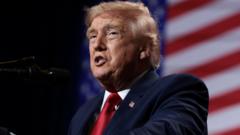
UEFA Threatens World Cup Boycott Over FIFA Investment Plans
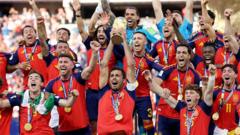
UEFA Takes Strong Stance Against FIFA Investment Proposals
In a decisive move against FIFA's expansion plans, UEFA has formally announced its position regarding the FIFA World Cup boycott scenario. The European football confederation's 55 member associations have collectively voted to reject FIFA's investment initiatives, setting the stage for potential non-participation in future tournaments if the governing body proceeds with its controversial proposals.
The FIFA World Cup boycott threat represents an unprecedented challenge to FIFA's authority. UEFA president and officials have made clear that the organization views the world's most prestigious sporting event as a protected institution that should not be subject to commercial investment schemes that could compromise its integrity.
UEFA's 55 Members Deliver Unified Message
The collective decision by all 55 UEFA member associations demonstrates unprecedented solidarity within European football. This unified stance sends a powerful message to FIFA's administrative leadership, particularly to President Gianni Infantino, who has championed the controversial investment framework.
The vote reflects deep concerns about the direction of international football governance. Member nations from across Europe, including traditional powerhouses and smaller federations alike, have aligned on this critical issue. The breadth of support indicates that opposition to the proposals transcends national interests and spans the entire European football community.
The Core of the Conflict: Investment vs. Tradition
At the heart of this dispute lies a fundamental disagreement about the FIFA World Cup boycott prevention measures. UEFA and its members contend that allowing external investment into World Cup operations fundamentally alters the tournament's nature and purpose.
The organization's official statement emphasizes that "the World Cup is not for sale," a powerful declaration that encapsulates the European perspective. This position reflects concerns that privatizing aspects of the tournament could lead to decisions driven by profit motives rather than sporting merit or fair competition principles.
Gianni Infantino's Investment Vision Under Pressure
FIFA President Gianni Infantino has promoted these investment proposals as a means to modernize the organization and enhance tournament infrastructure. However, UEFA's coordinated response suggests that his vision faces significant institutional resistance.
The FIFA World Cup boycott threat places Infantino in a precarious diplomatic position. Losing Europe's participation would devastate the tournament's commercial viability and competitive credibility, given that European teams have historically dominated World Cup performance metrics and audience engagement.
Implications for Future World Cup Tournaments
Should UEFA member associations follow through on their FIFA World Cup boycott commitment, the consequences would be extraordinary. Without European participation, the tournament would lose substantial broadcasting revenue, sponsorship appeal, and competitive prestige.
The potential absence of European national teams would reshape tournament dynamics fundamentally. Countries from other confederations, while capable competitors, collectively lack the commercial and competitive weight that European football commands in global markets.
The Timeline and Next Steps
The vote represents a critical juncture in international football governance. FIFA leadership now faces pressure to reconsider its investment proposals or risk the FIFA World Cup boycott becoming reality.
Negotiations between FIFA and UEFA are expected to intensify in coming months. The outcome will determine whether these tensions escalate into concrete boycott actions or whether compromise solutions can be negotiated that address both parties' concerns.
Broader Context of FIFA Governance Debates
This conflict extends beyond mere financial disagreements. It reflects ongoing debates about FIFA's governance structure, decision-making transparency, and the balance between commercial interests and sporting integrity.
UEFA's position aligns with broader concerns raised by national associations, player unions, and football analysts regarding FIFA's direction under Infantino's leadership. The FIFA World Cup boycott threat signals that these concerns have reached a critical threshold where concrete action becomes necessary.
Football's Future Hangs in Balance
The stakes of this dispute extend beyond administrative boardrooms. Millions of football enthusiasts worldwide await clarity about the future of the World Cup and whether these proposals will fundamentally alter this iconic tournament's character.
UEFA's decisive action demonstrates that European football organizations will not passively accept decisions perceived as threatening the sport's core values. Whether this firm stance catalyzes productive dialogue or escalates into confirmed boycott action remains to be determined in the coming months.