UK Launches New Refugee Resettlement Routes for Afghan Women and Palestinians
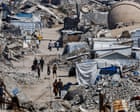
UK Government Announces New Refugee Resettlement Routes for Afghan Women and Palestinians
The UK is establishing fresh refugee resettlement routes for Afghan women and Palestinians, according to an exclusive announcement by Justice Secretary Shabana Mahmood. This significant policy shift represents a departure from previous immigration approaches, particularly following the termination of the former Afghan resettlement scheme in the preceding year. The new refugee resettlement routes for vulnerable populations signal a renewed commitment to providing legal pathways for those fleeing persecution and conflict.
A Strategic Policy Shift Following Previous Closures
Mahmood's initiative to introduce these refugee resettlement routes comes in the wake of the controversial closure of the Afghan scheme, which had previously offered protection to individuals from Afghanistan. The new framework unfreezes provisions that had been restricted, enabling the most vulnerable refugees to access expedited pathways toward obtaining permanent status in the United Kingdom. This represents a notable recalibration of the government's immigration stance, emphasizing humanitarian protection over restrictive measures.
Prioritizing the Most Vulnerable Populations
The revised refugee resettlement routes establish clear prioritization mechanisms for Afghan women and girls, alongside Palestinian nationals facing displacement and humanitarian crises. By streamlining access to permanent residency, the initiative aims to address the specific vulnerabilities experienced by these groups. The framework recognizes that women and girls from Afghanistan often face heightened risks, including persecution, forced marriage, and limited access to education and employment opportunities under certain regimes.
Implementation and Permanency Status
Under the new refugee resettlement routes, eligible applicants will benefit from accelerated review processes leading toward permanent status within the UK. Unlike previous temporary designations requiring periodic reassessment, this scheme provides greater certainty for approved refugees. The shift toward permanent status demonstrates a commitment to allowing resettled individuals to rebuild their lives with stability and security, rather than maintaining them in prolonged states of provisional status.
Key Changes to the Asylum Framework
The announcement reflects modifications to how refugee protection operates within UK immigration law. Previously implemented changes had introduced requirements for continuous review of refugee status across extended timeframes. The new refugee resettlement routes reverse some of these provisions, particularly for those deemed most vulnerable. This represents a more humanitarian approach compared to earlier policy frameworks that emphasized regular status reviews and conditional protection.
Addressing Channel Crossing Concerns
Despite the government's introduction of new refugee resettlement routes, policy analysts have noted that the numerical capacity of these programs remains limited in scope. Experts suggest that while the initiative demonstrates a positive policy direction, the relatively modest numbers processed through formal resettlement channels may have limited deterrent effect on irregular Channel crossings. The distinction between legal resettlement pathways and dangerous maritime journeys remains a central concern for policymakers and humanitarian organizations.
Expert Perspectives on Effectiveness
Migration specialists and refugee advocacy groups have responded to Mahmood's announcement with mixed assessments. While welcoming the expansion of refugee resettlement routes, commentators argue that significantly greater capacity would be necessary to comprehensively address demand from vulnerable populations. The existing framework, though improved, cannot accommodate all individuals seeking protection through formal channels, potentially maintaining pressure on alternative migration routes.
International Context and Regional Impact
The UK's establishment of new refugee resettlement routes occurs within a broader international context of displacement crises. Afghanistan continues experiencing severe humanitarian challenges following geopolitical developments, while Palestinian populations face ongoing conflicts affecting civilian populations. These regional circumstances generate substantial demand for international refugee protection, making expanded resettlement routes a necessary component of coordinated humanitarian responses.
Supporting Vulnerable Communities
Afghan women and girls have emerged as a particularly vulnerable demographic requiring international protection. Educational and employment restrictions, alongside gender-based violence concerns, have elevated humanitarian need for refugee resettlement routes offering sanctuary. Similarly, Palestinian communities experiencing displacement require accessible legal pathways for international relocation and protection.
Moving Forward with the Resettlement Initiative
Shabana Mahmood's announcement signals governmental recognition of humanitarian obligations toward refugee populations. The introduction of new refugee resettlement routes marks a policy evolution balancing border management concerns with protection responsibilities. Implementation of these frameworks will require coordination across government agencies, international partners, and humanitarian organizations working to support vulnerable populations.
The UK government's commitment to establishing expanded refugee resettlement routes for Afghan women and Palestinians represents an important policy development in contemporary asylum discourse. While acknowledging the limitations of the scheme's capacity, the initiative demonstrates renewed attention to protecting those facing the most acute humanitarian vulnerabilities. Success will depend on effective implementation, adequate resource allocation, and complementary policies addressing broader migration and asylum challenges.